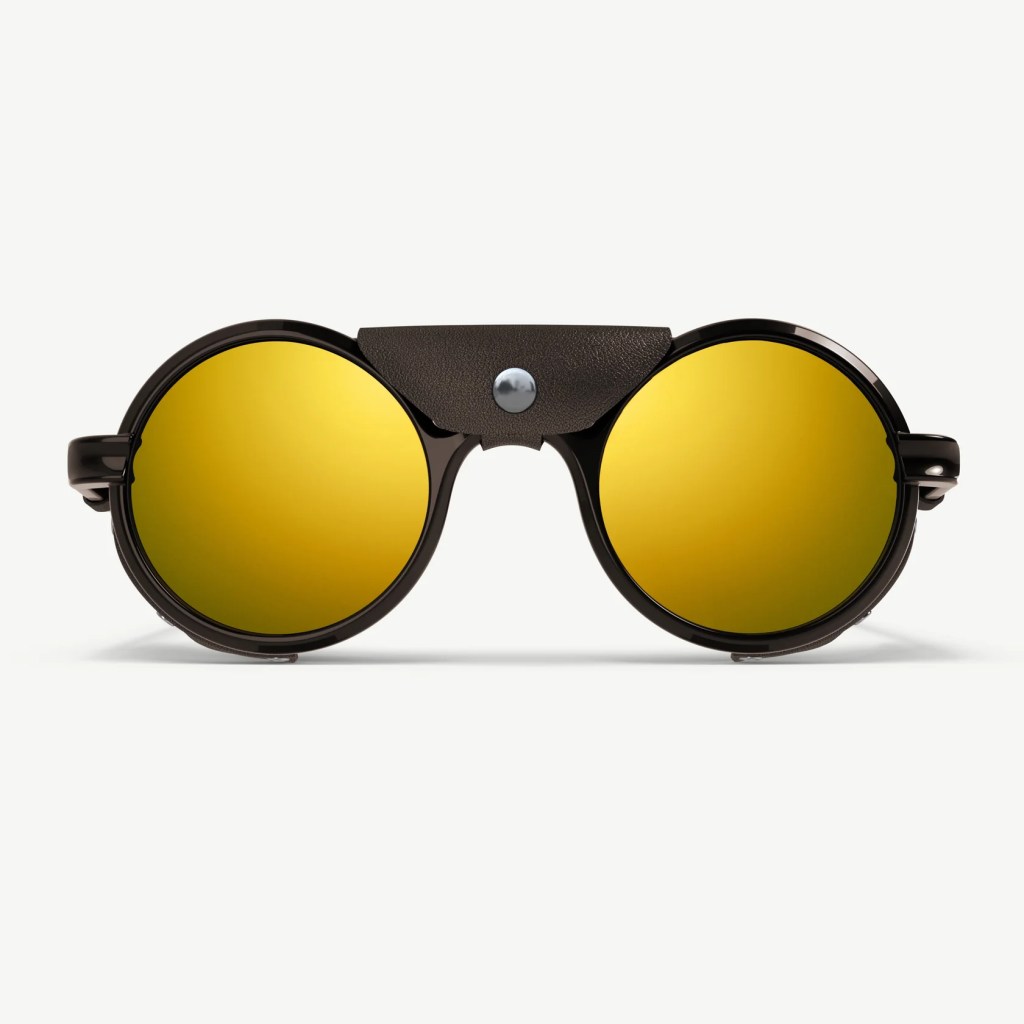
This summer, spending long hours at the helm of Sea Kelp was supposed to be pure relaxation. Instead, after several trips out on the water, I kept coming back to the dock with massive, throbbing headaches and a scary difficulty seeing. At first, I couldn’t figure out what was going wrong—this was a major problem that needed a quick answer.
It turns out I was experiencing a temporary but painful condition known as photokeratitis, commonly called snow blindness. While most people associate this with alpine skiing or frozen tundras, the exact same threat exists on the open water. Snow blindness is essentially a sunburn on the surface of your eyes, caused by overexposure to ultraviolet (UV) rays. The sun’s rays reflect powerfully off the water’s surface, doubling the dose of radiation your eyes receive. Symptoms include intense pain, light sensitivity, blurry vision, and a gritty feeling in the eyes, often hitting you hours after you leave the water.
The confusing part was that I never left the helm without my Maui Jim sunglasses. I thought my eyes were fully protected. However, my doctor recently educated me on what was actually happening: standard sunglasses often leave the sides and top open. The intense glare from the water was bouncing off the white fiberglass decks, hitting the inside surface of my lenses from the back and sides, and reflecting directly into my eyes completely unfiltered.
This doctor’s visit also taught me a lot about lens categories. Most high-quality everyday sunglasses use Category 3 lenses. These are great for general use, filtering out roughly 82% to 92% of visible light. But in extreme environments with massive reflection, you need an extra level of protection.
To fix this, I switched to the Heron Glacier glasses from VALLON. These are equipped with ultra-dark Category 4 lenses. A Category 4 lens lets in only about 5% to 7% of visible light. Because they block so much more light, they are actually illegal to wear while driving! Combined with authentic leather side shields that completely block out dangerous peripheral glare and rear reflection, they offer total coverage. Protecting your eyes on a boat requires more than just dark lenses; it requires the right category of defense. Moving forward, these are going to be a mandatory piece of safety gear on Sea Kelp.


Leave a comment